AI DesignClaude
Learning AI Design with Claude: A Designer's Starter Kit
How to get from zero to shipping AI-assisted design work using Claude as your daily thinking partner.
Hiram Barsky
7 min read
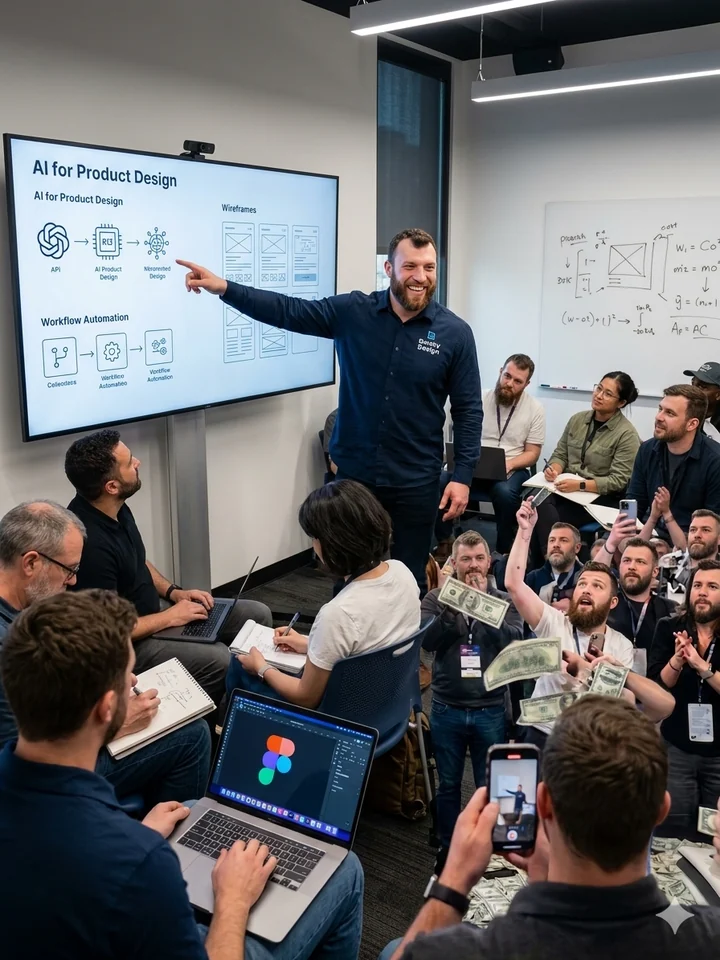
Expert insights on AI-enhanced UX design, accessibility compliance, and conversion optimization from the field.
How to get from zero to shipping AI-assisted design work using Claude as your daily thinking partner.
Prompts are the new design brief. Here is the structure that consistently turns a vague ask into usable output.
The chat bubble is the iframe of the AI era — useful, lazy, and rarely the right answer.
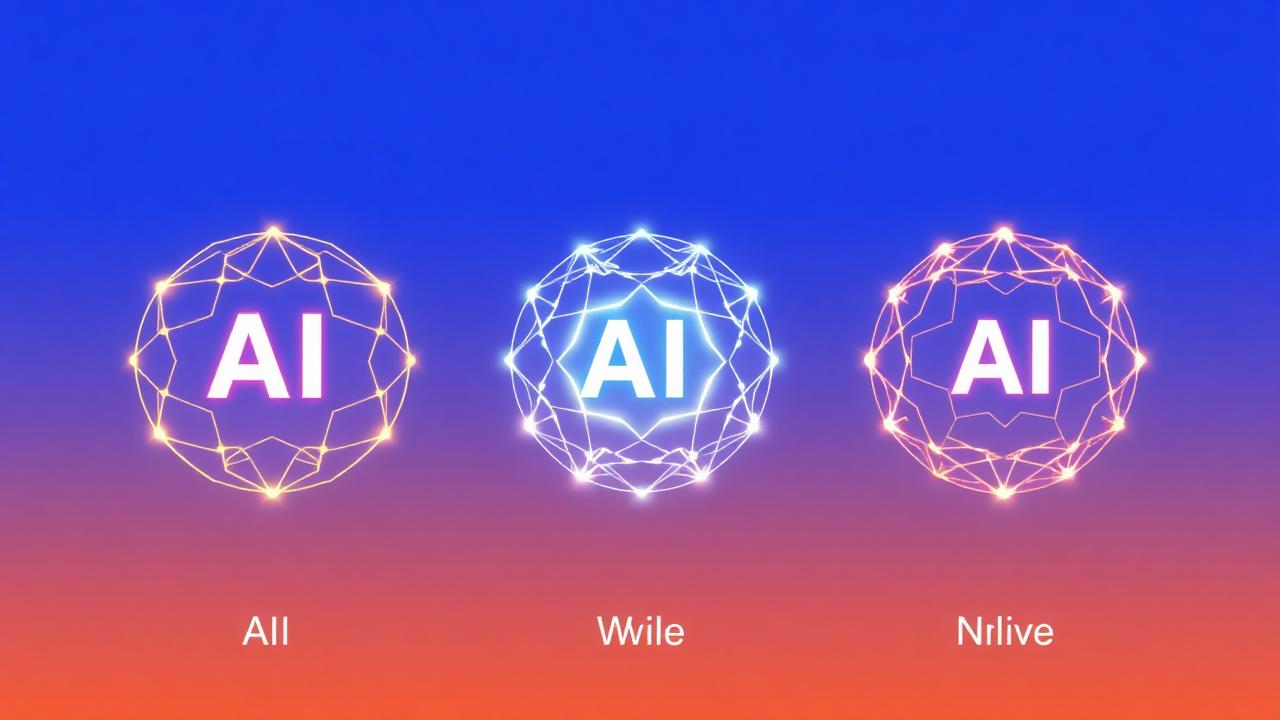
I ran the same week of design work through all three. Here is where each one actually pulled its weight.

A two-day plan to go from idea to a working AI prototype your users can actually click through.

Users do not lose trust when AI is wrong. They lose trust when it is wrong and pretends to be sure.
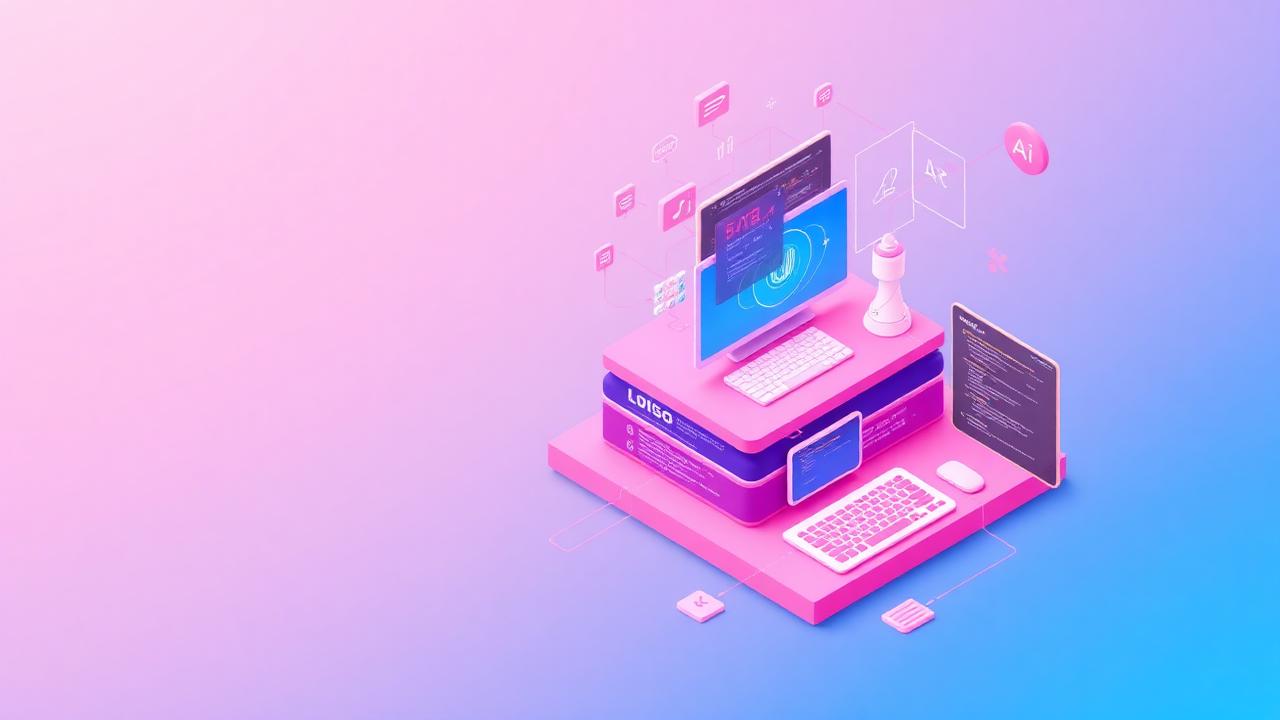
The handoff is dead. Here is the AI-assisted stack I use to ship designs straight into a live React app.
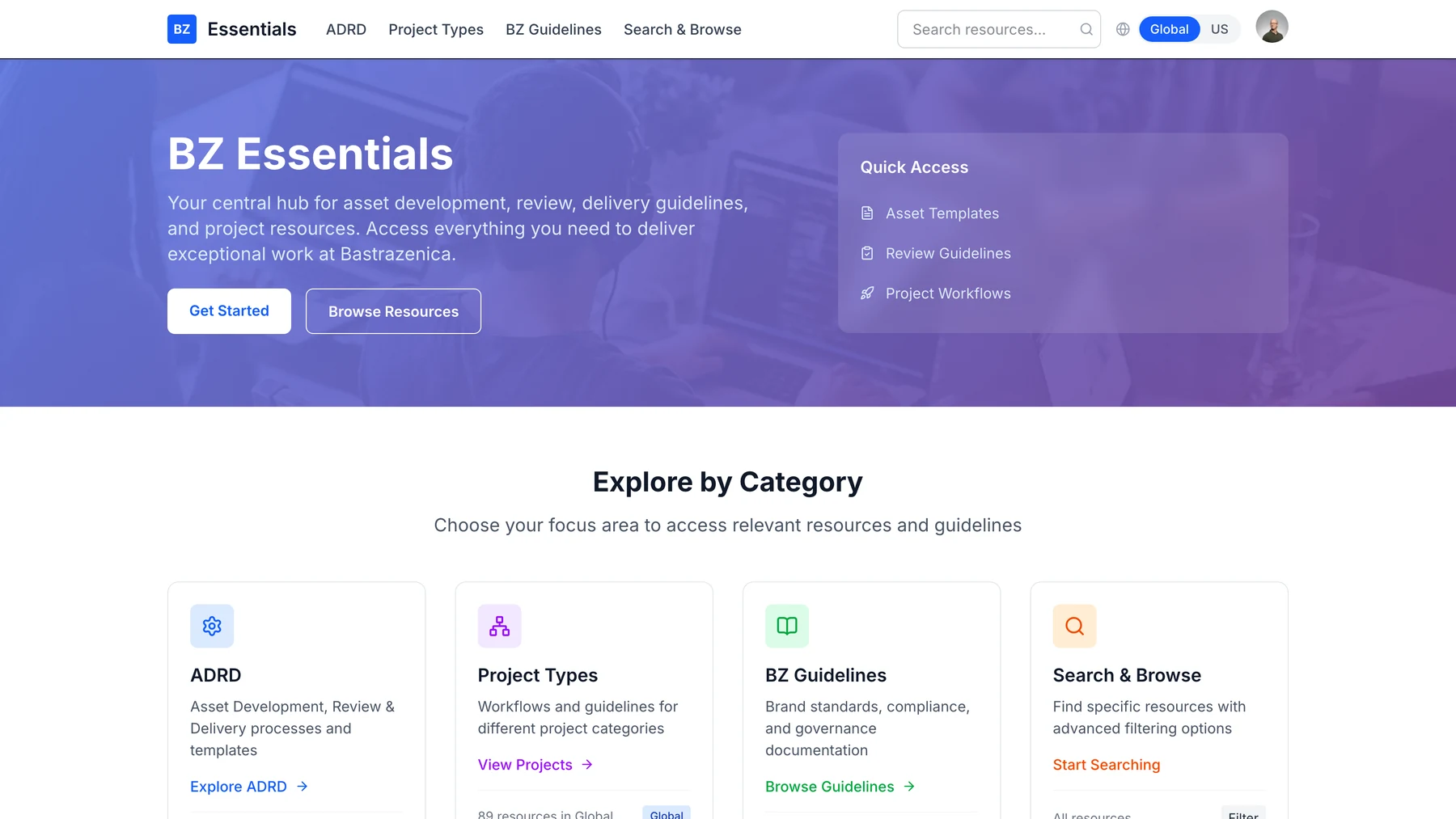
Some content is global, some is regional. Putting that in a filter menu means the one person who most needs it never sees it, because they never opened the menu.
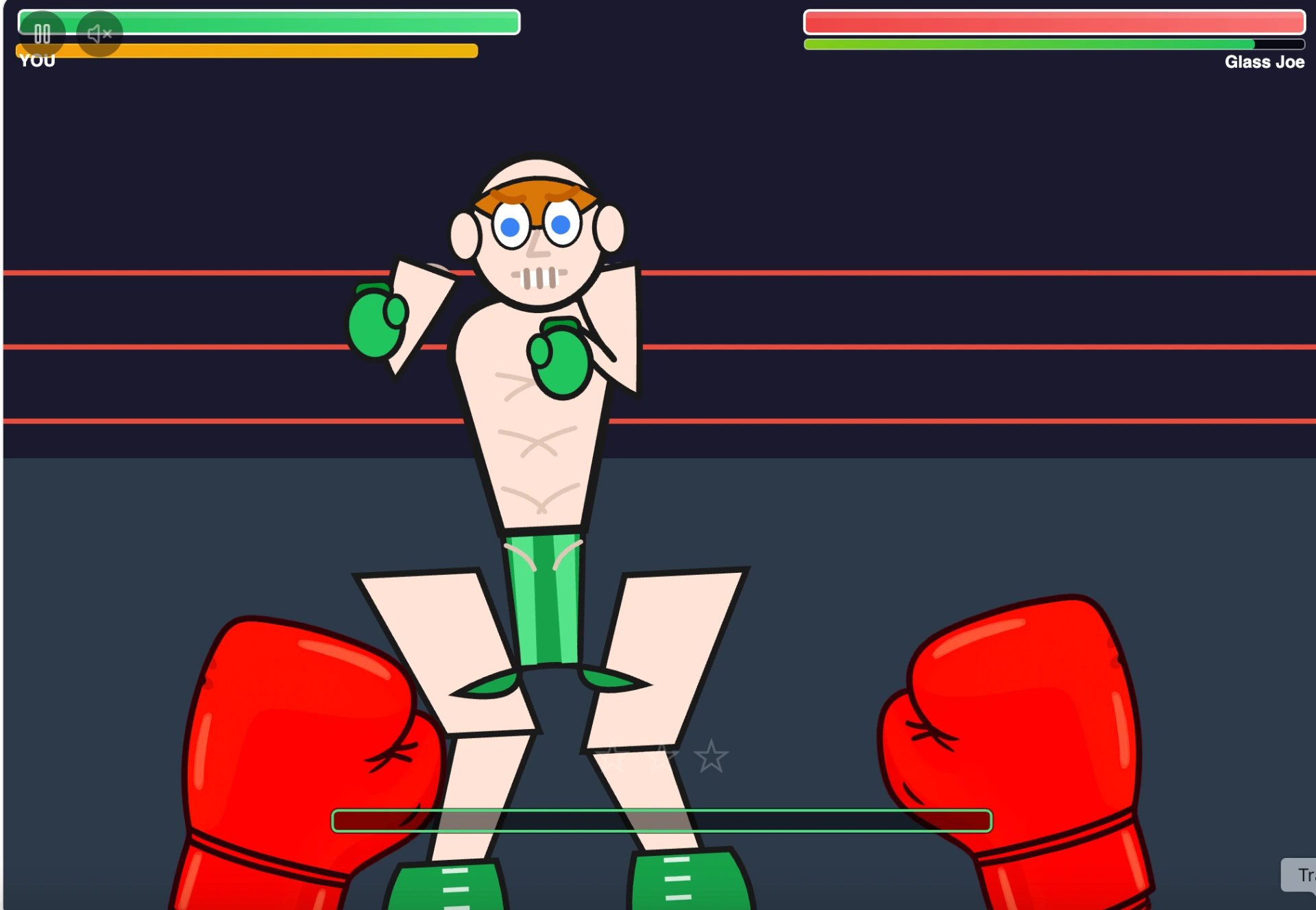
AI made producing screens almost free. That moved the bottleneck from making things to deciding which ones to throw away, and no model will do that part for you.
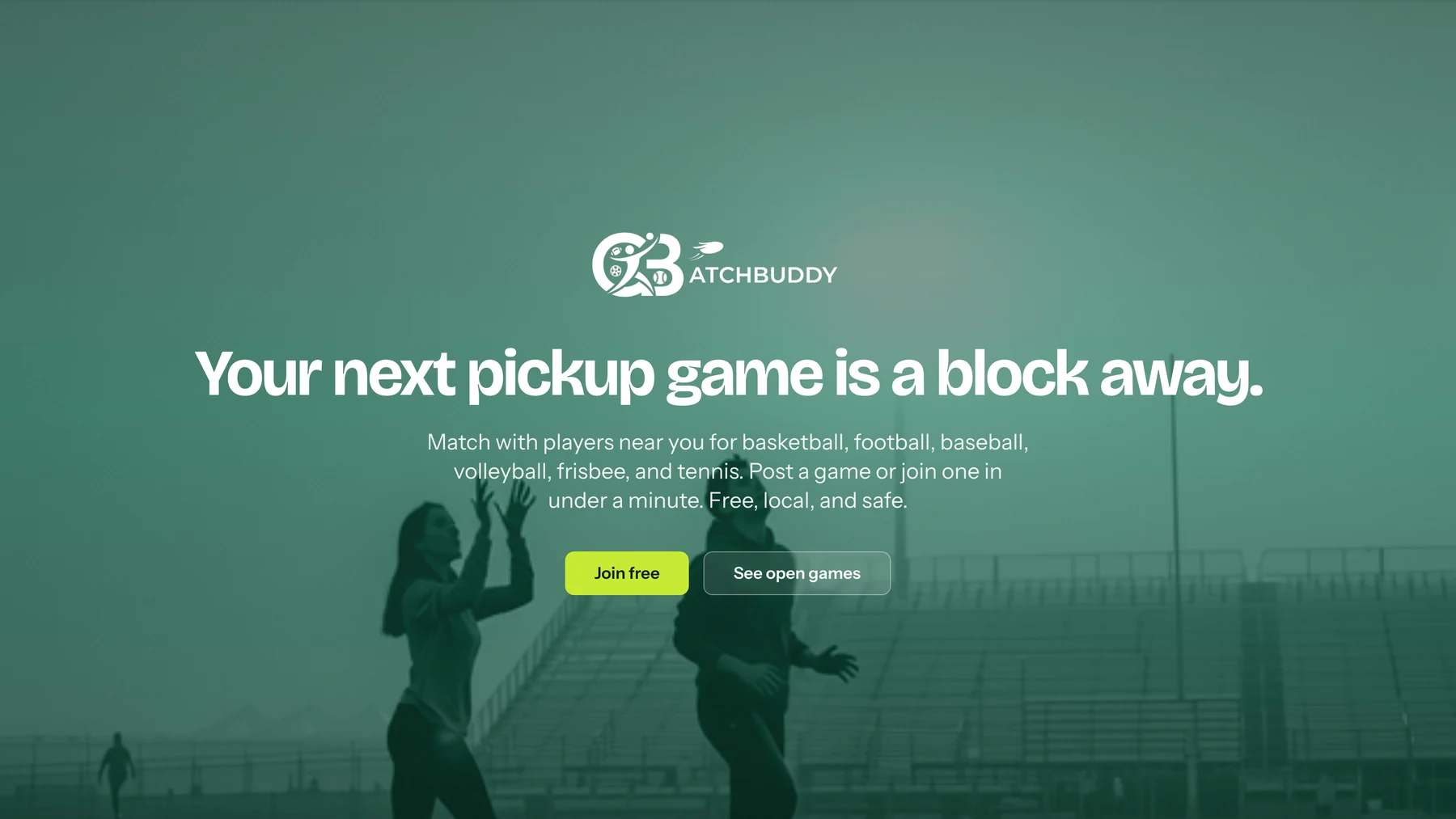
Getting two strangers to agree to meet at a park is easy. Getting them to feel fine about it's the entire product, and it's not something you bolt on near the end.
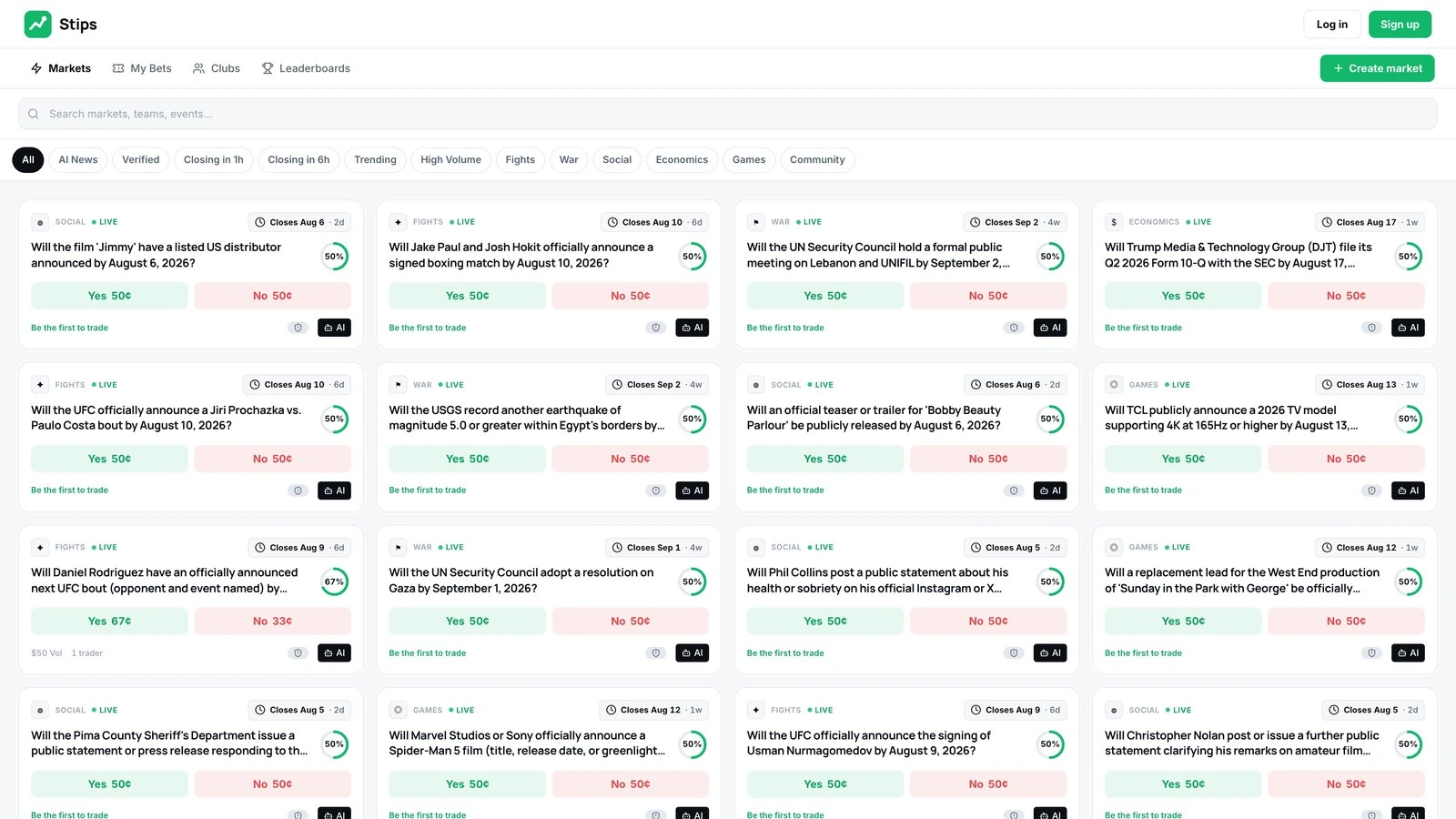
A price of 67¢ tells you the odds are 67%. Almost nobody works that out in their head, and the ones who try get it wrong. Do the arithmetic for them.
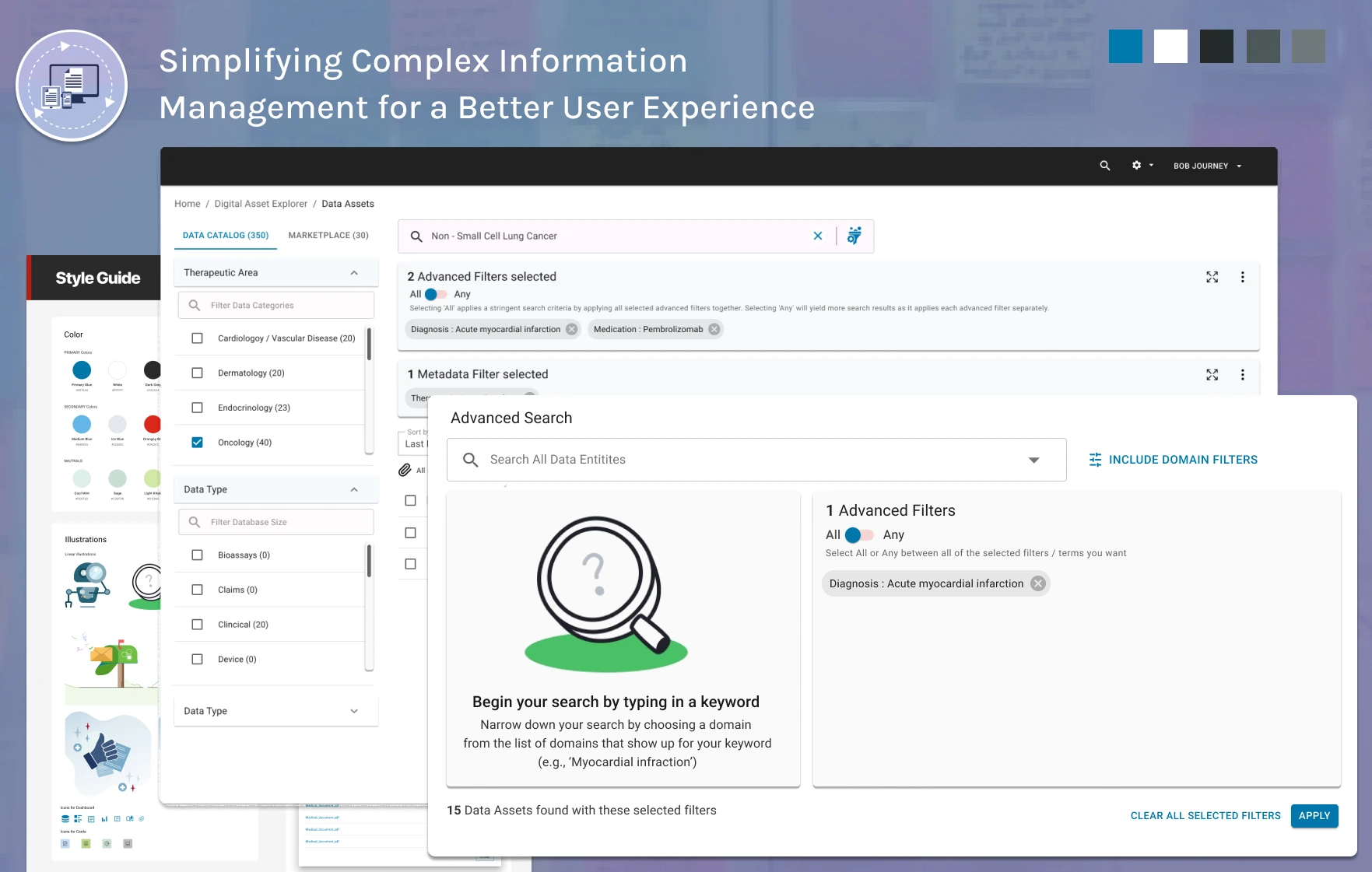
An analyst searches for revenue and gets forty results. The search worked. The next twenty minutes, deciding which table to trust, is the part nobody designed.
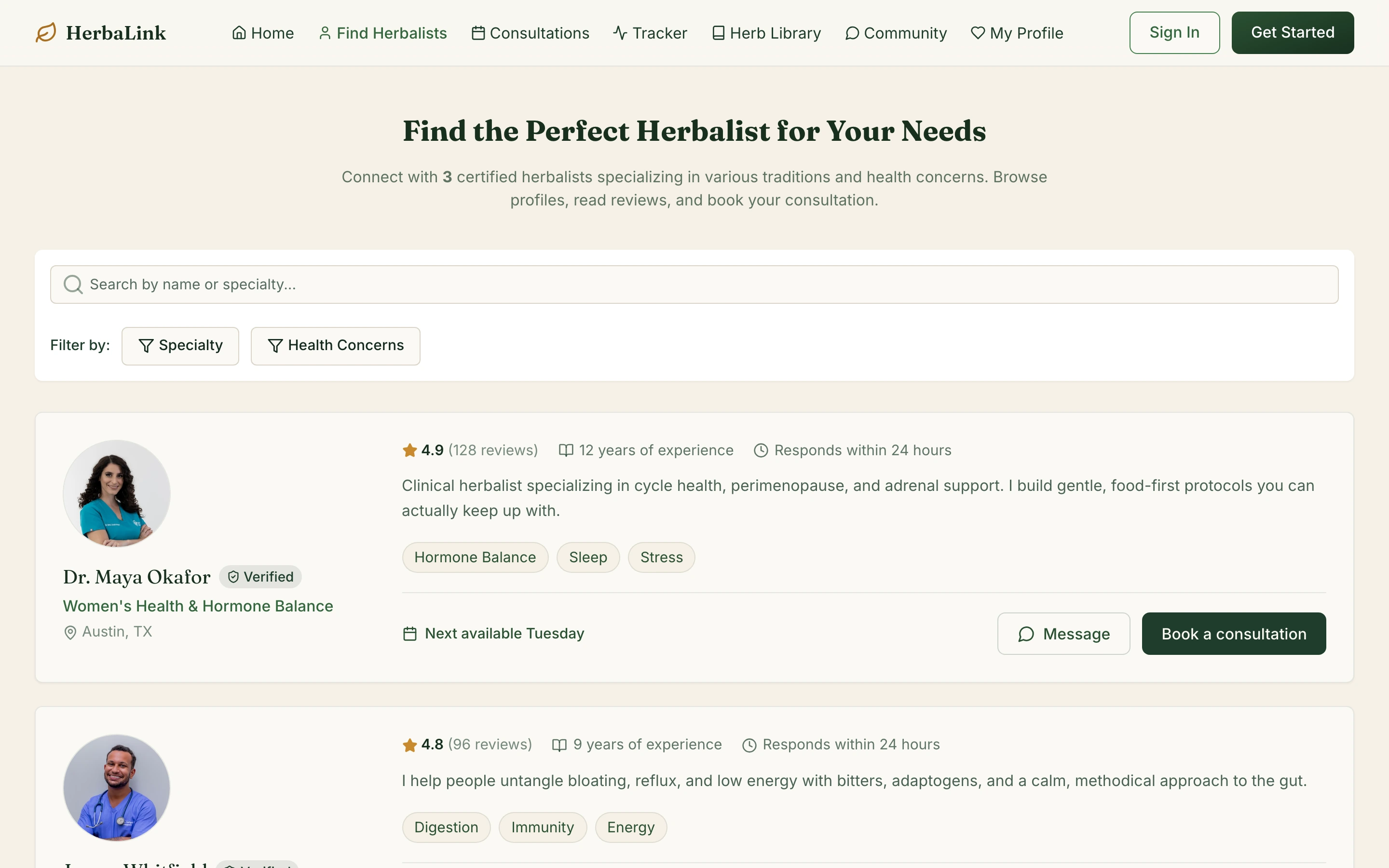
Most directories let anyone list, then put a badge on whoever checked out. Flipping that, nobody is visible until they're verified, gives you a smaller catalogue and a far more honest one.
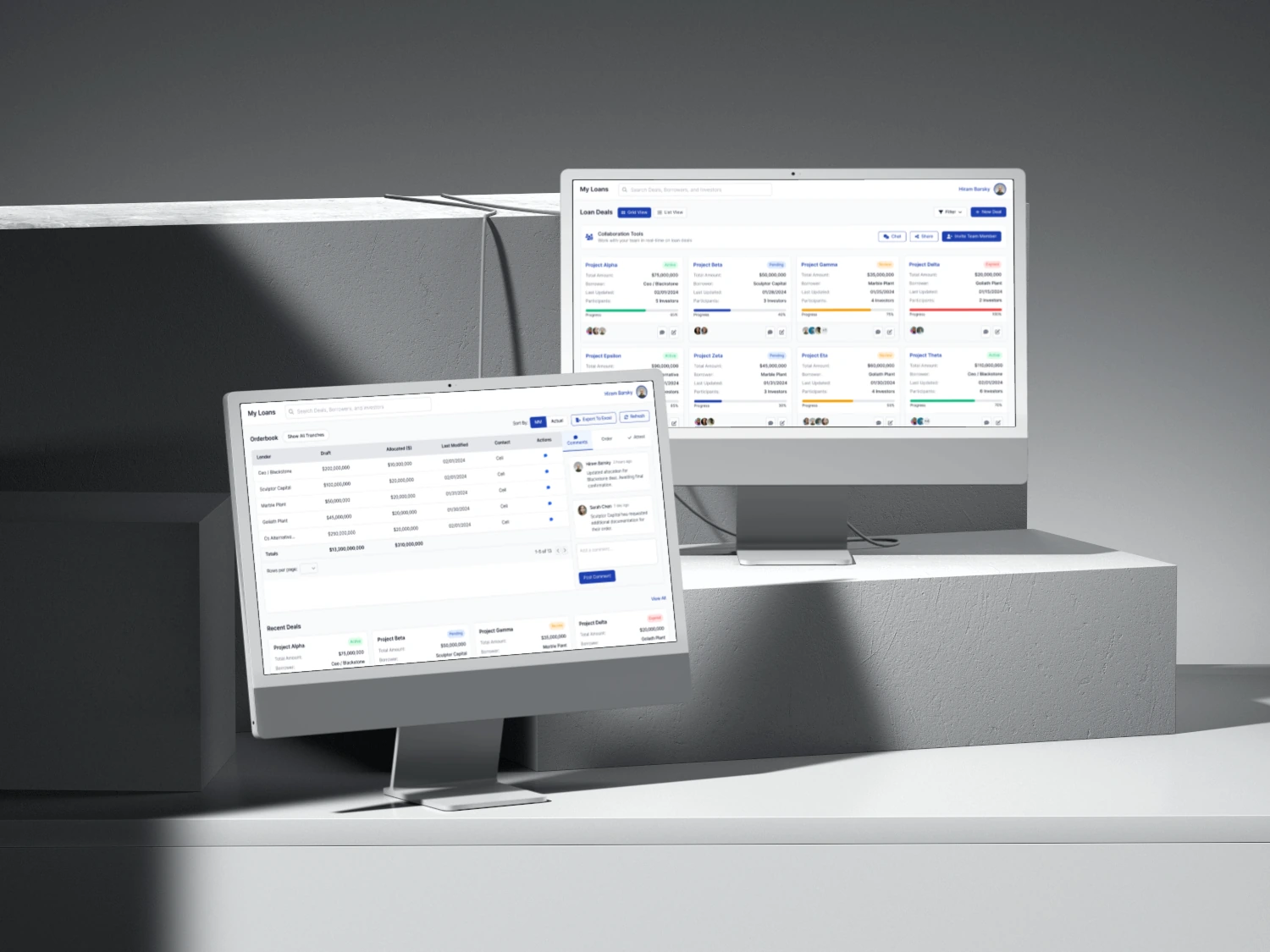
A bank was running multi-million-dollar loan deals in spreadsheets. The software that replaces that has to lose to Excel on flexibility and win on the thing Excel can't do at all.
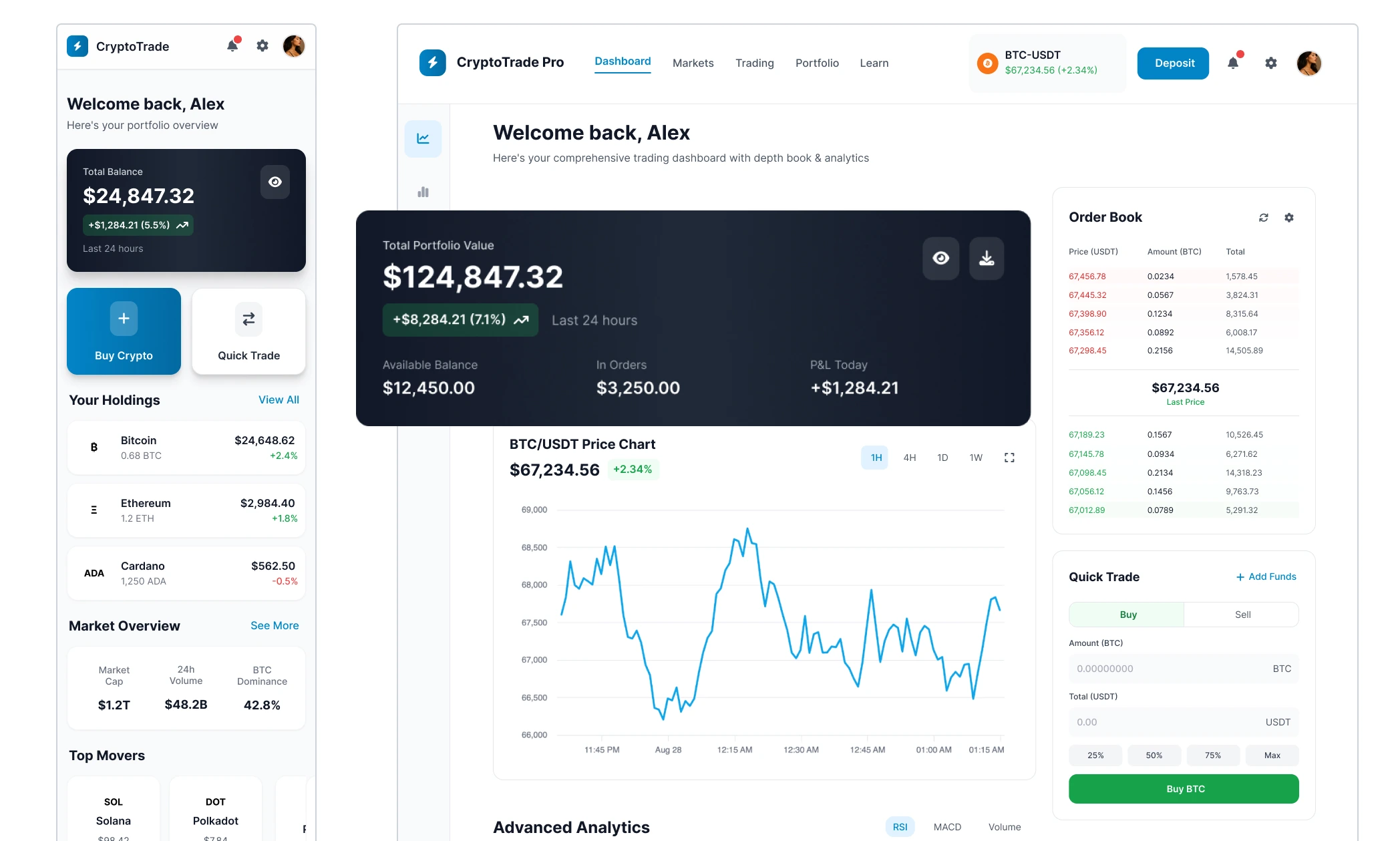
Easy apps hide complexity and charge for it. Pro apps expose everything and assume confidence you may not have. The split is a business decision dressed up as a design one.
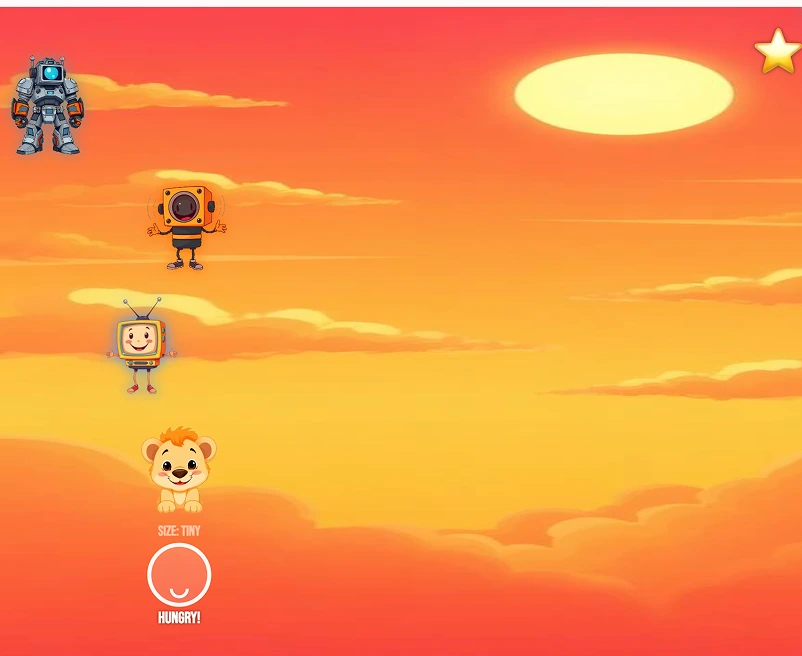
Most “I built this with AI” portfolios pick something safe. Safe projects hide the only question worth answering: can you ship something that has to feel right?
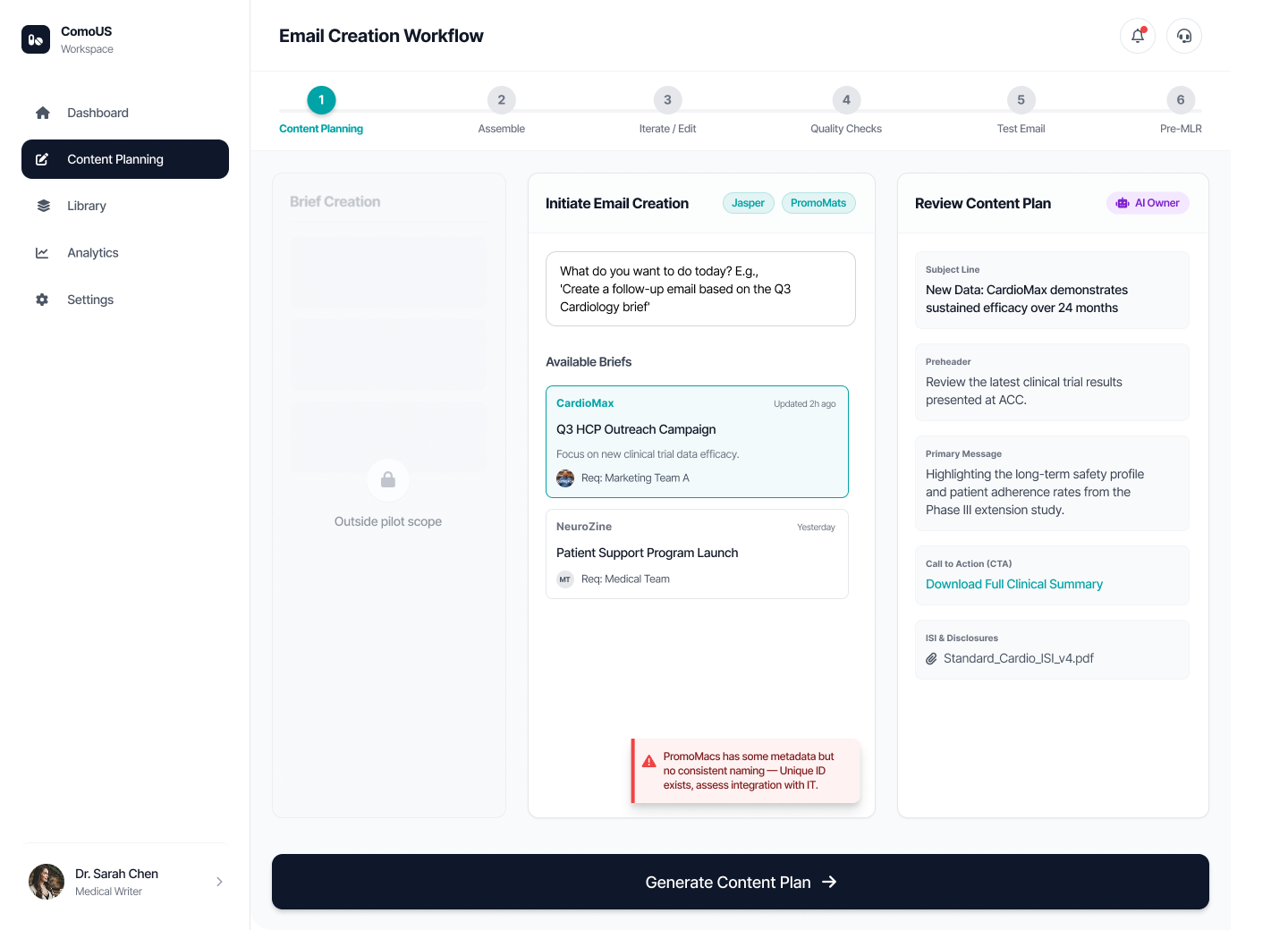
A pharma email takes two weeks and touches five teams in five tools. The AI's job is the work between the humans. The work the humans are legally required to do stays with them.
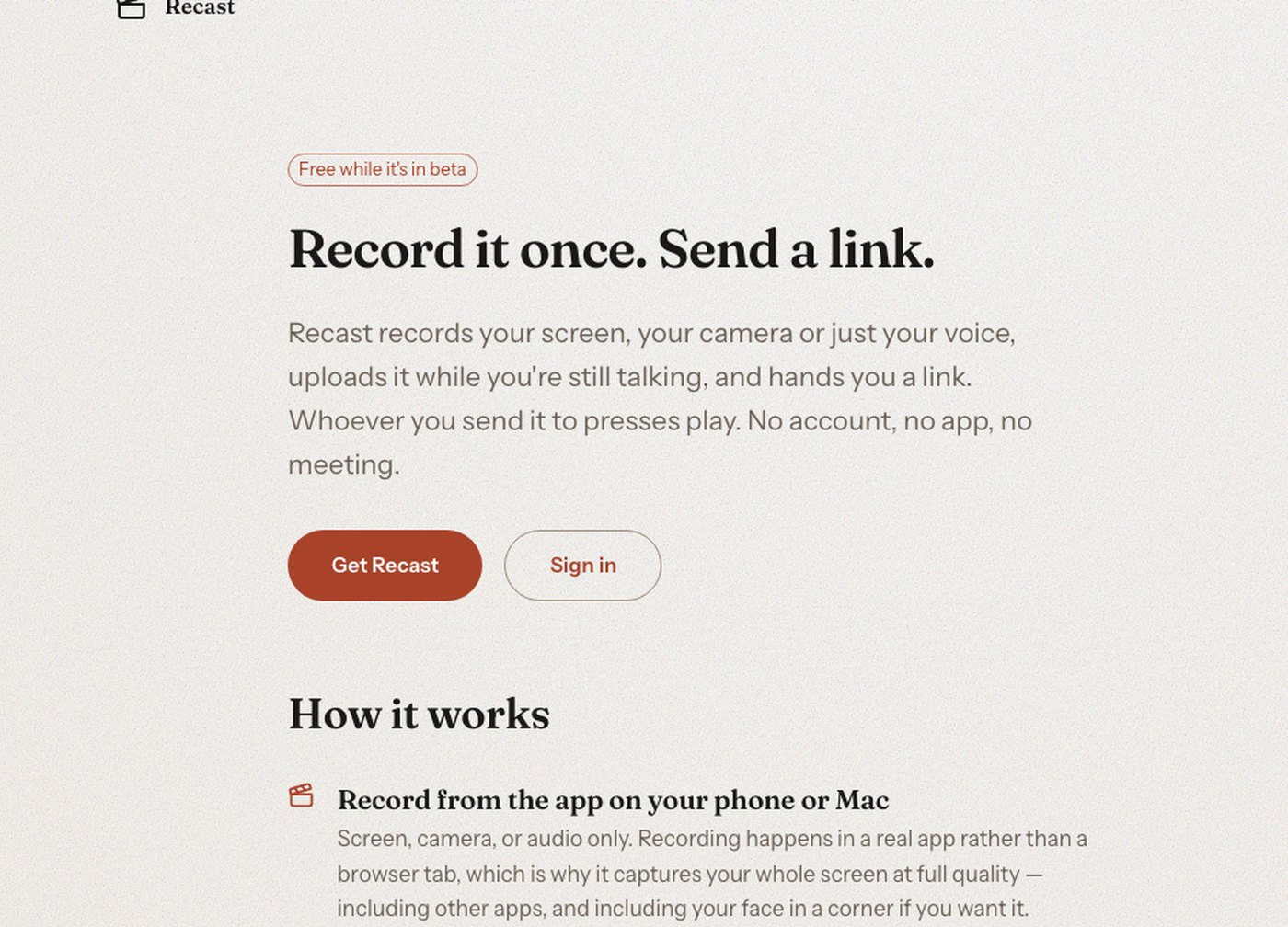
Recording your screen is free. Sending it to someone is what everybody charges for, with watermarks, five-minute caps, and a sign-in wall in front of the person you sent it to.

A demo is the happy path with data you chose. Everything that made my products hard was in the part nobody demos: dates, permissions, empty screens, and the jobs that run while you sleep.

I have four products live that I built by myself. The useful version of that story is the one that includes where solo stops working, which is not where people expect.
Both came out of Stips, both looked perfectly correct, and neither was something the model could have caught on its own. One was about time. One was about permissions.

Most software fails softly. Some of it fails into someone's health, money, or safety. When being wrong has consequences, trust stops being a layer and becomes the product.

Your real competitor is not the other vendor in the bake-off. It is a spreadsheet one person built, everyone trusts, and nobody can be forced to abandon.
Producing options was never the bottleneck. Ring-Rival got good because I deleted things a model would have been happy to keep building.

Engineering cost used to do your prioritization for you. It stopped. Deciding what not to ship is now the only constraint holding a product together.

Every portfolio is polished and every candidate has a shipped demo. What I would ask to find out whether there is judgment behind the artifacts.
Not because everyone won the debate, but because the gap between a design and a running product collapsed. Here's what that changes in practice.

A working demo used to be evidence. Now anyone can produce one in a weekend, and the design job market is still figuring out what to screen for instead.
Polish stopped being a signal the moment it became free. What's left is the stuff a model can't produce for you: constraints, deletions, and decisions you can defend.

Two years of building products solo with AI. The changes are real and specific, and so is the list of things that are exactly as hard as they always were.

Lessons from breaking into UX in a crowded market — mistakes, pivots, and strategies that actually work today.
I've seen more design systems die in Figma libraries than I care to count. Here's how to build ones that actually get used.
Why design case studies should focus on problems, impact, and thought process — not wireframe montages.

Practical insights on where AI helps and where it confuses users — and how to design with trust in mind.
We don't have budget for user research is the most expensive sentence in product development. Here's how to get valuable user insights without breaking the bank.
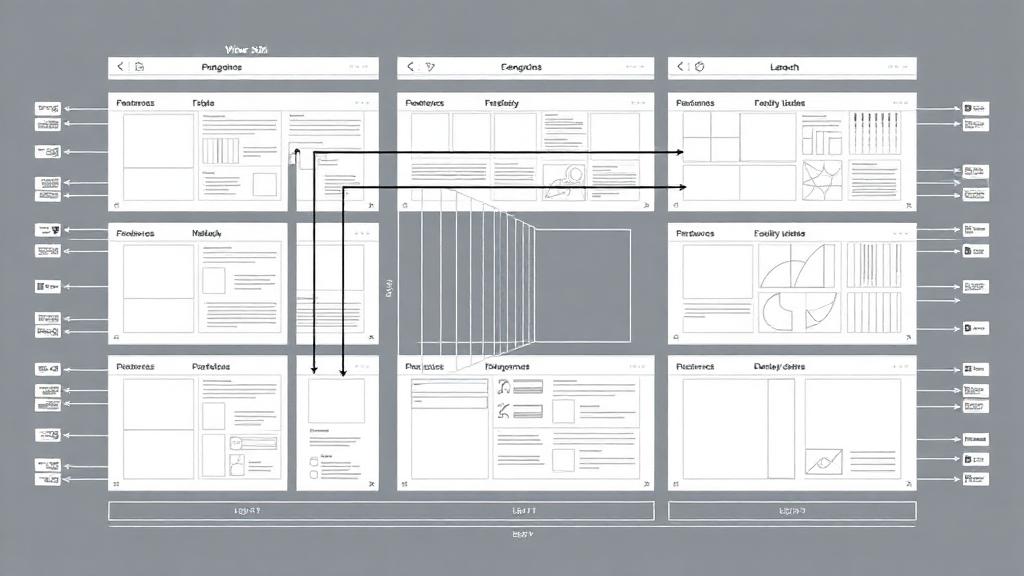
Good visual hierarchy is invisible. Users don't notice it - they just effortlessly flow through your interface. Here's how to master the psychology behind intuitive designs.
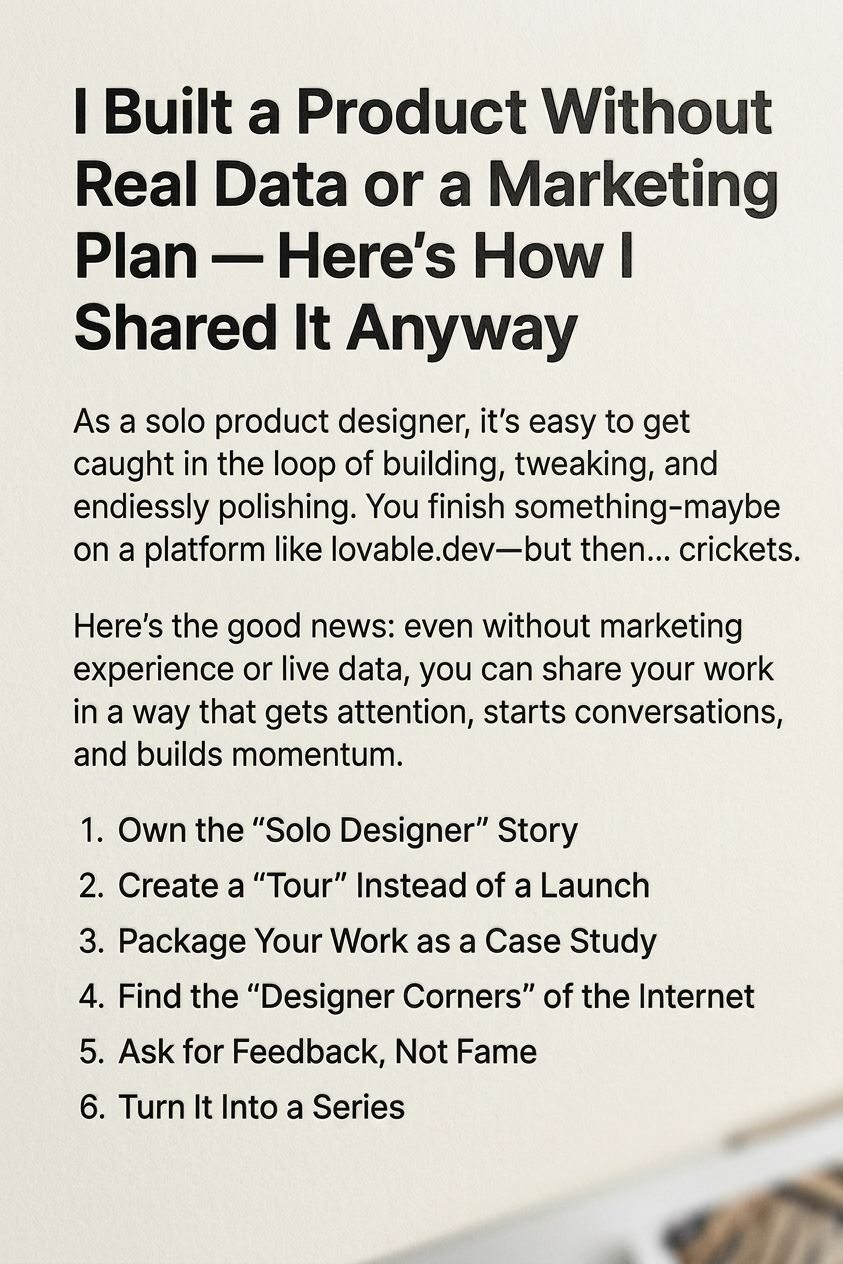
As a solo product designer, it's easy to get caught in the loop of building, tweaking, and endlessly polishing. Here's how I broke that cycle.

Five years of building side projects taught me more about product design than any course or certification ever could. Here's what I wish I knew earlier.

A gorgeous design that doesn't drive user action is just expensive decoration. Here's how to design interfaces that actually get results.

Building something new? Here's how to do meaningful user research before you have actual users to talk to.